The Tenth Kids Art Retreat Project: Project Analysis and Participants’ Psycho-Emotional Well-Being
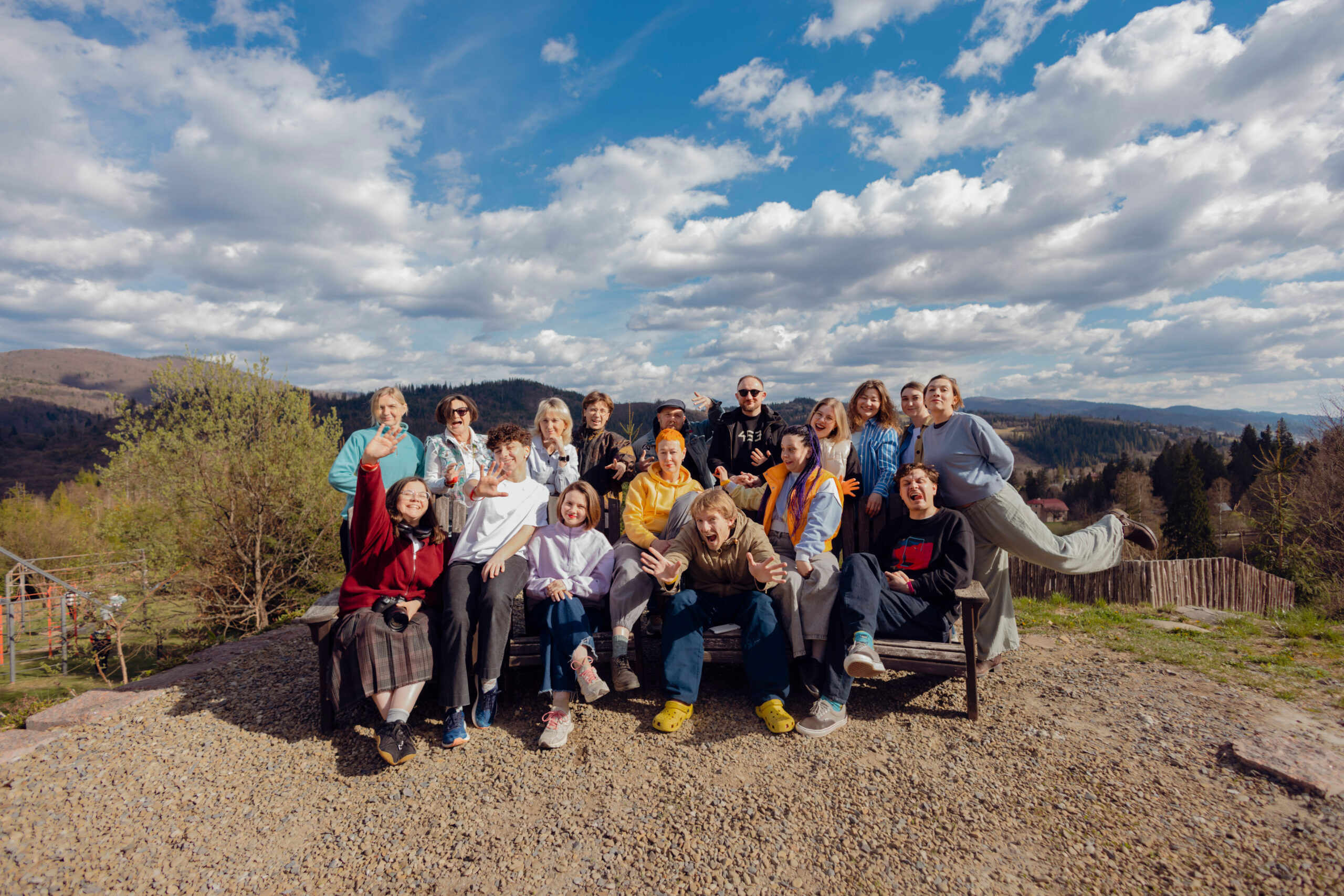
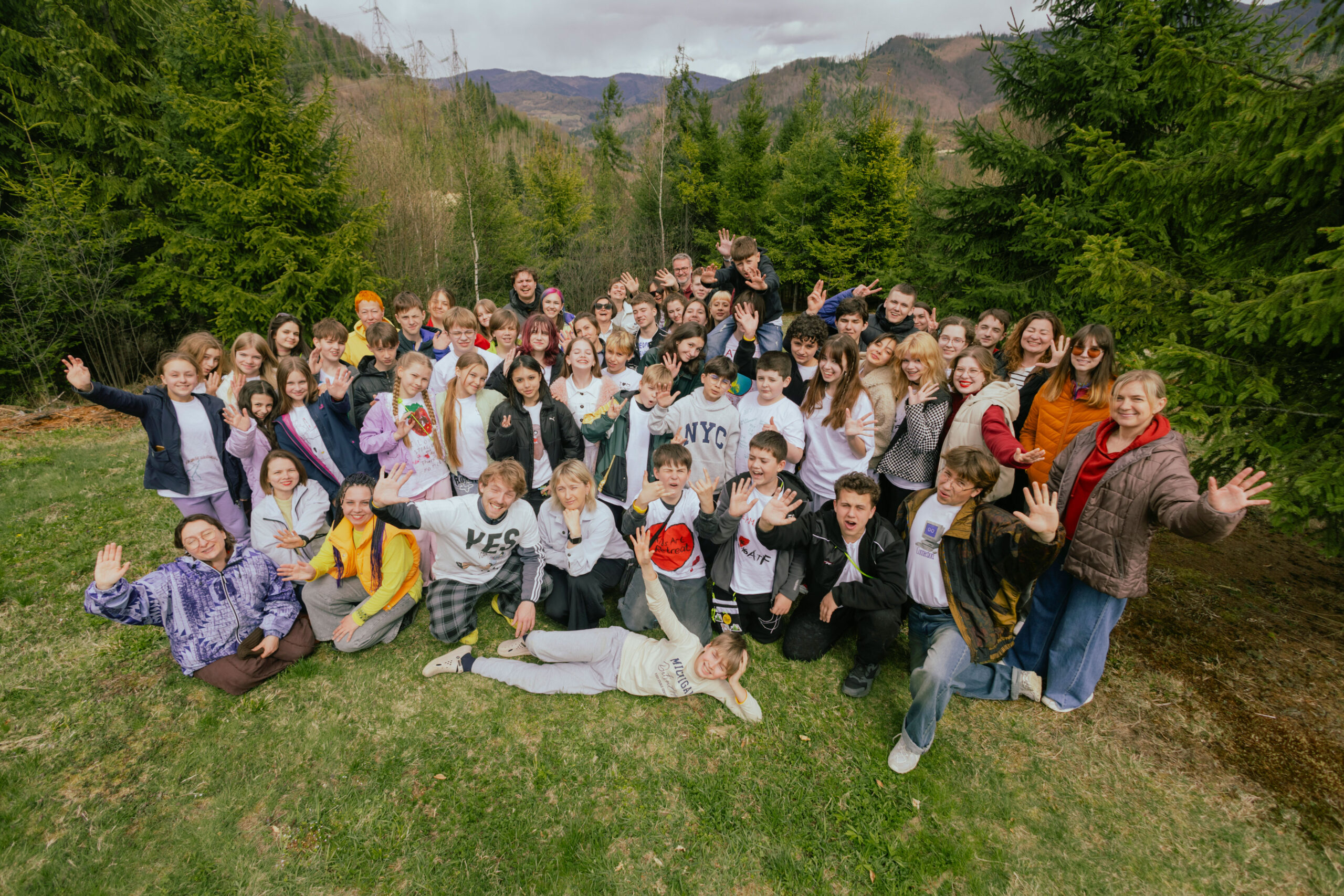
From April 16 to 27, 2026, the tenth Kids Art Retreat Project took place in the Carpathian Mountains. The camp brought together 43 children from the Kharkiv, Kherson, Odesa, Mykolaiv, Donetsk, Zaporizhzhia, Dnipropetrovsk, Sumy, and Chernihiv regions of Ukraine. The project was open to children aged 10 to 16 who were interested in different forms of creative expression.
The camp was supported by a team of adults, including six group coordinators (two for each age group), five mentors, a doctor, a psychologist, two volunteers, and the organizing team.
Values and Approaches Underpinning the Project
The project is designed as a safe and supportive space that promotes children’s emotional recovery, social skills, and creative potential. Its approach is based on voluntary participation, a non-judgmental environment, and respect for each child’s individual pace.
- Freedom of choice. Children decide for themselves whether and how they want to take part in different activities, without pressure or coercion. We respect each participant’s right to choose the format and level of their involvement.
- A non-judgmental space. We create a supportive environment free from criticism and labeling. Children and professionals interact in a space of acceptance that encourages free self-expression.
- Focus on personal development. The project does not involve competition or comparisons between participants. Instead, it focuses on each child’s individual progress, strengths, and personal growth.
- Partnership and mutual respect. Communication is based on respect and equality, regardless of a person’s age or role within the team. This horizontal approach helps build trust, openness, and a safe space for dialogue.
Together, these approaches create an environment that can have a positive social and emotional impact: supporting children’s emotional self-regulation, reducing social anxiety, increasing self-confidence, and developing communication and teamwork skills.
Project Goals
- to provide children with meaningful and thoughtfully designed leisure activities that combine creativity, learning, and personal development, broaden their horizons, and help them discover their potential;
- to create a safe and supportive environment where participants can, at least temporarily, distance themselves from the impact of the war and experience a sense of calm, care, and psychological support;
- to offer art therapy sessions aimed at gently restoring emotional resources and supporting the stabilization of children’s psycho-emotional well-being;
- to introduce participants to practical self-regulation tools and self-help techniques that they can use when experiencing anxiety or emotional overload;
- to support the development of social skills, positive group interaction, and the overall emotional well-being of children and adolescents.
The Team
An important factor in the project’s success was the team’s coordinated work. Mentors were responsible for the programme’s content and helped create an environment where learning took place through experience, creativity, and interaction. Through music, movement, theatre, and improvisation, they created a space where children could safely express their emotions, explore themselves, and connect with others. This approach helped reduce inner tension, build confidence, and foster a sense of acceptance within the group.
Age-group coordinators provided daily support to the children in their everyday activities and group interactions. Their work focused on identifying emotional or behavioural difficulties at an early stage, maintaining individual contact with each child, and facilitating communication within the groups. In situations involving conflict or tension, coordinators helped children put their experiences into words, rebuild connections, and find constructive ways of interacting with one another.
The project’s psychologist provided ongoing emotional support to both the children and the adult team. She held individual consultations, monitored changes in the children’s emotional states within the groups, and led psychoeducational sessions focused on developing self-regulation skills, recognizing emotions, and resolving conflicts non-violently. Particular attention was given to children who were staying away from their parents for the first time, as well as those experiencing heightened anxiety or emotional fluctuations. The psychologist also served as a source of support for the team, helping coordinators and mentors navigate challenging situations and maintain their professional resilience.
Medical support was provided by a doctor, who was present throughout the camp, monitored the children’s physical well-being, responded to health-related concerns, and provided the necessary care in cases of illness or stress-related reactions. An important part of her role was communicating with parents, helping maintain transparency and trust and providing families with an additional sense of security.
The coordinated work of the entire team created an integrated support system in which each role complemented and strengthened the others. This made it possible not only to respond promptly to individual needs but also to create a stable, predictable, and emotionally safe environment. As a result, children adapted more quickly, integrated into the groups more easily, and showed growing levels of trust, openness, and engagement in the shared activities.
The Programme
The project is based on an understanding of creativity as a gentle tool for working with emotional states, processing difficult experiences, and restoring inner resources. All activities were designed to create a safe space for self-expression, where emotions could be expressed not only through words, but also through the body, sound, movement, and images.
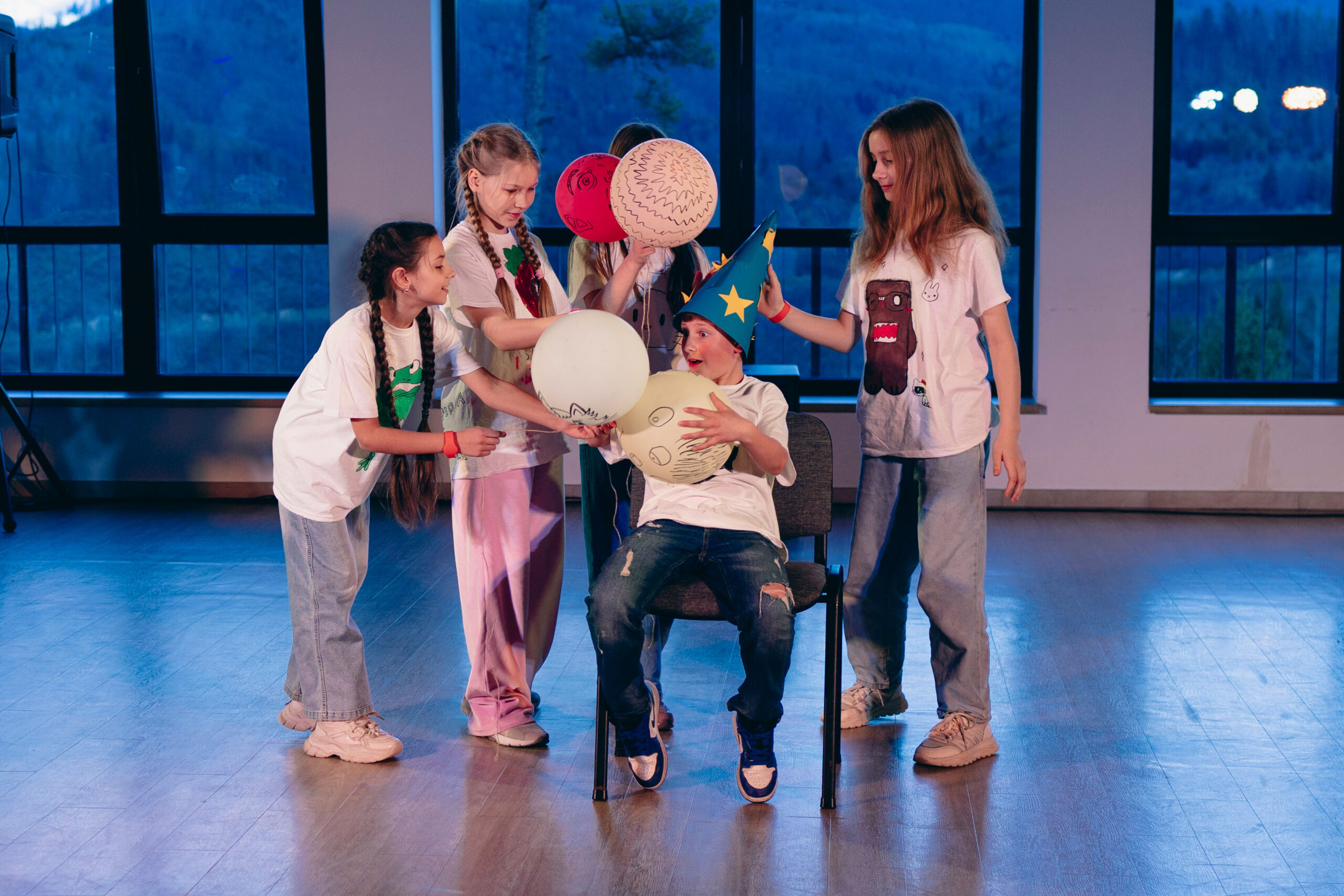
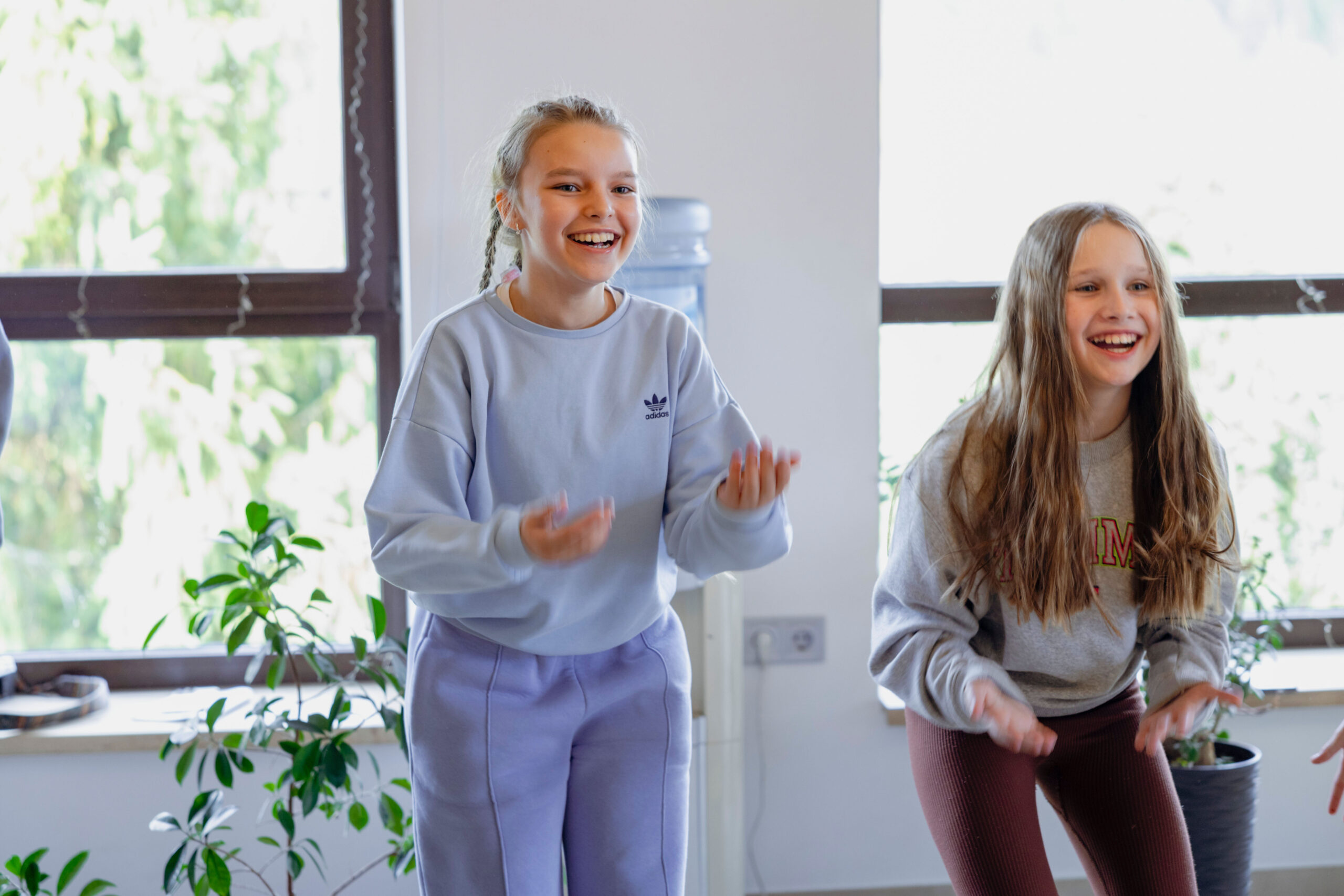
Acting, music, and body- and movement-based practices played a central role in the programme. They helped reduce psycho-emotional tension, develop empathy and communication skills, and strengthen trust within the groups. Through role work, improvisation, and interaction in theatrical situations, participants had an opportunity to explore their own emotional responses and express them in a safe way.
The musical component of the project focused on fostering a sense of connection and mutual listening. Making music together, creating rhythms, and improvising songs allowed children to experience teamwork, where each person’s contribution matters and supports the overall sound of the group.
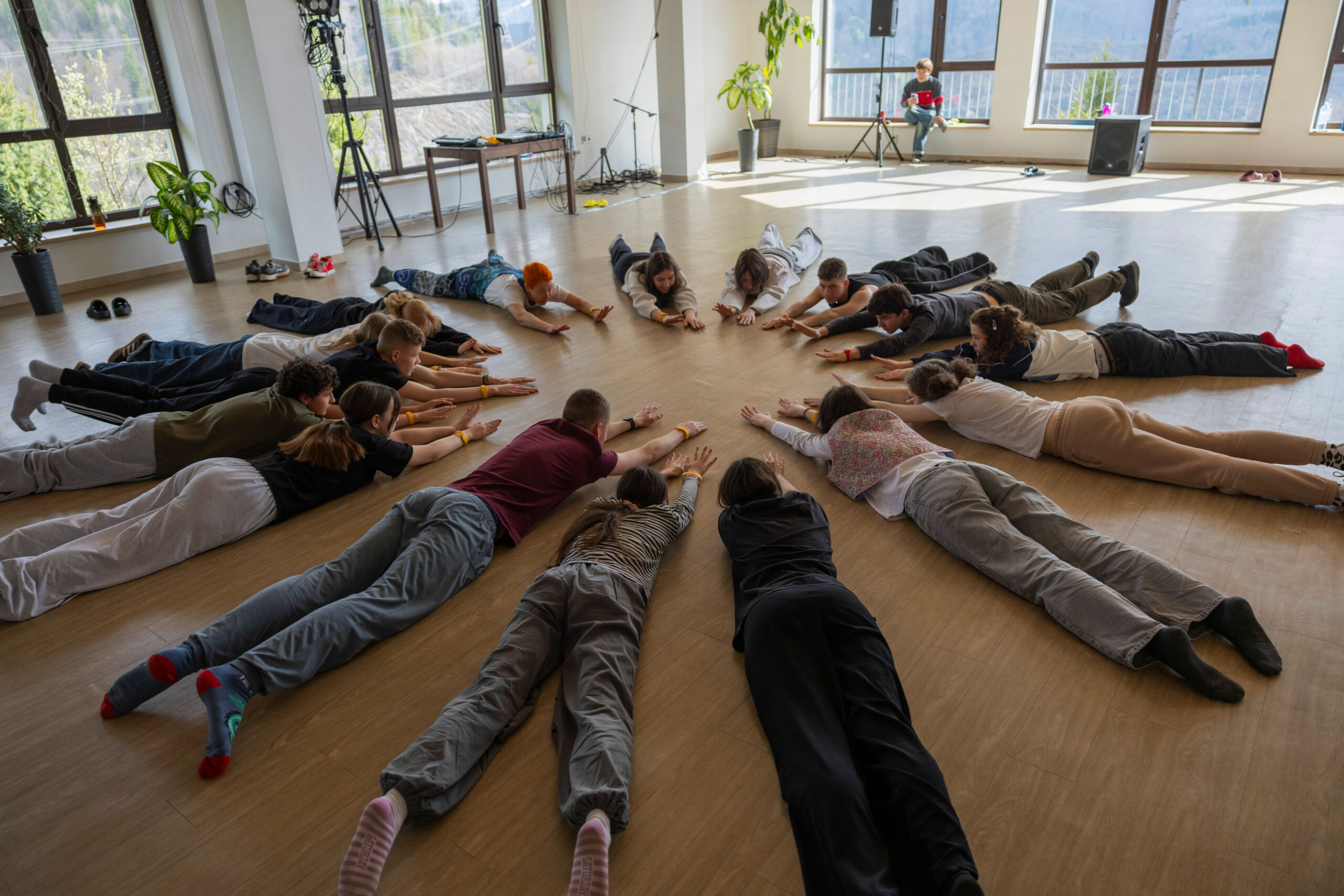
Body- and movement-based practices were used to reduce tension and help participants reconnect with their bodies. Through movement, children could become more aware of their emotional states, release accumulated tension, and regain a sense of stability and grounding.
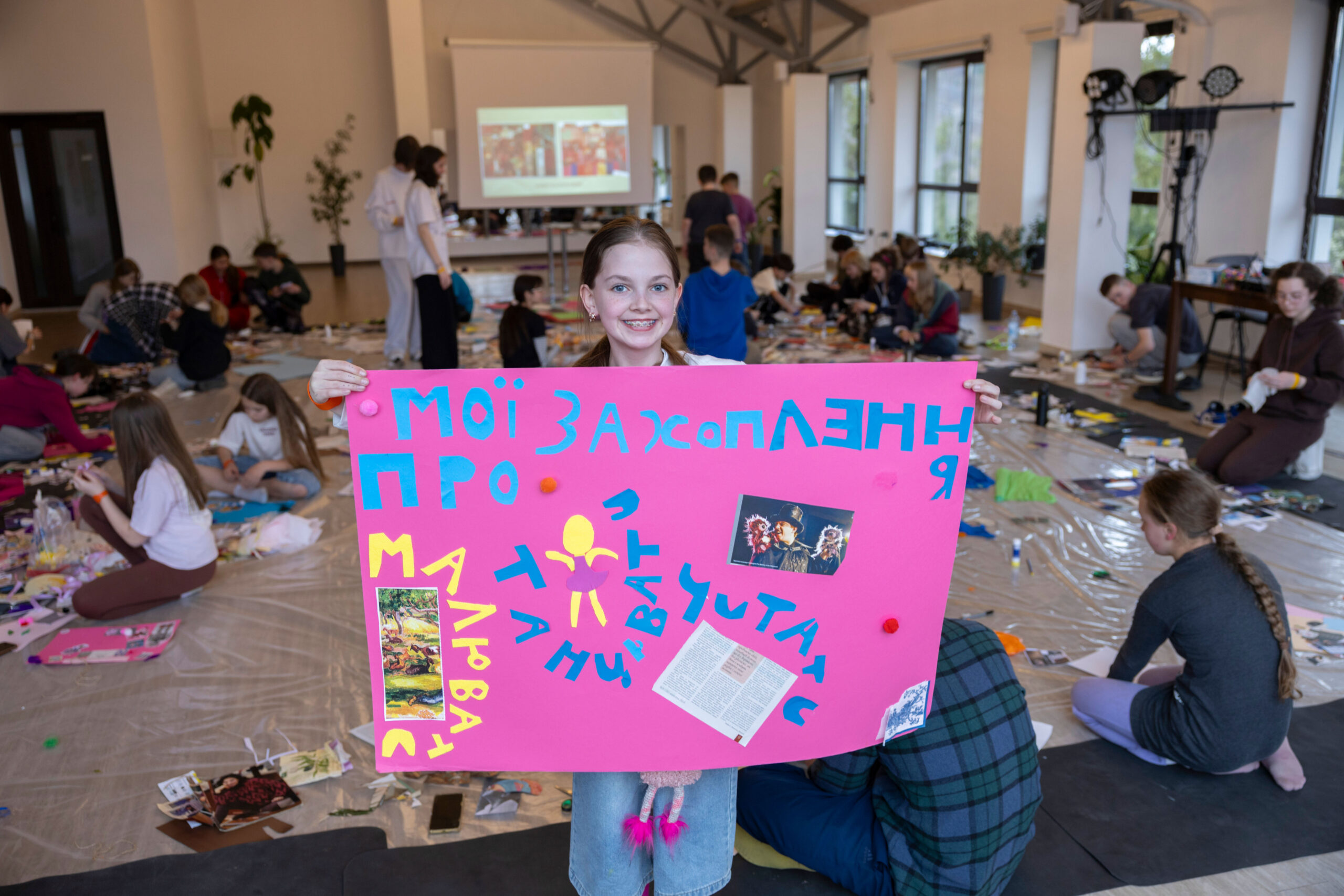
A separate part of the programme consisted of art-based practices — drawing, collage-making, and other visual techniques that allowed participants to explore their inner experiences in a gentle and indirect way. These activities supported greater self-awareness and reflection, as well as a deeper connection with their own values.
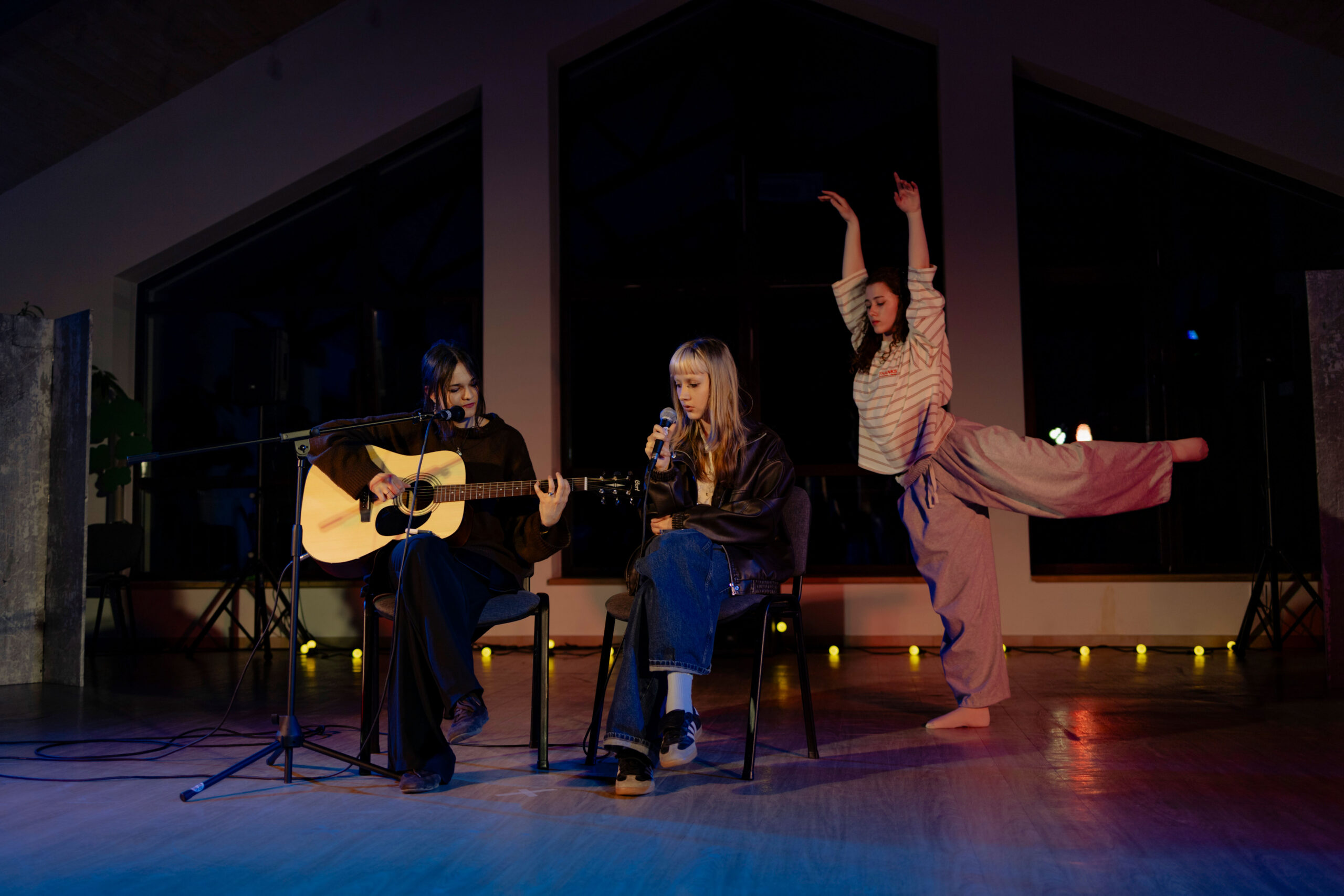
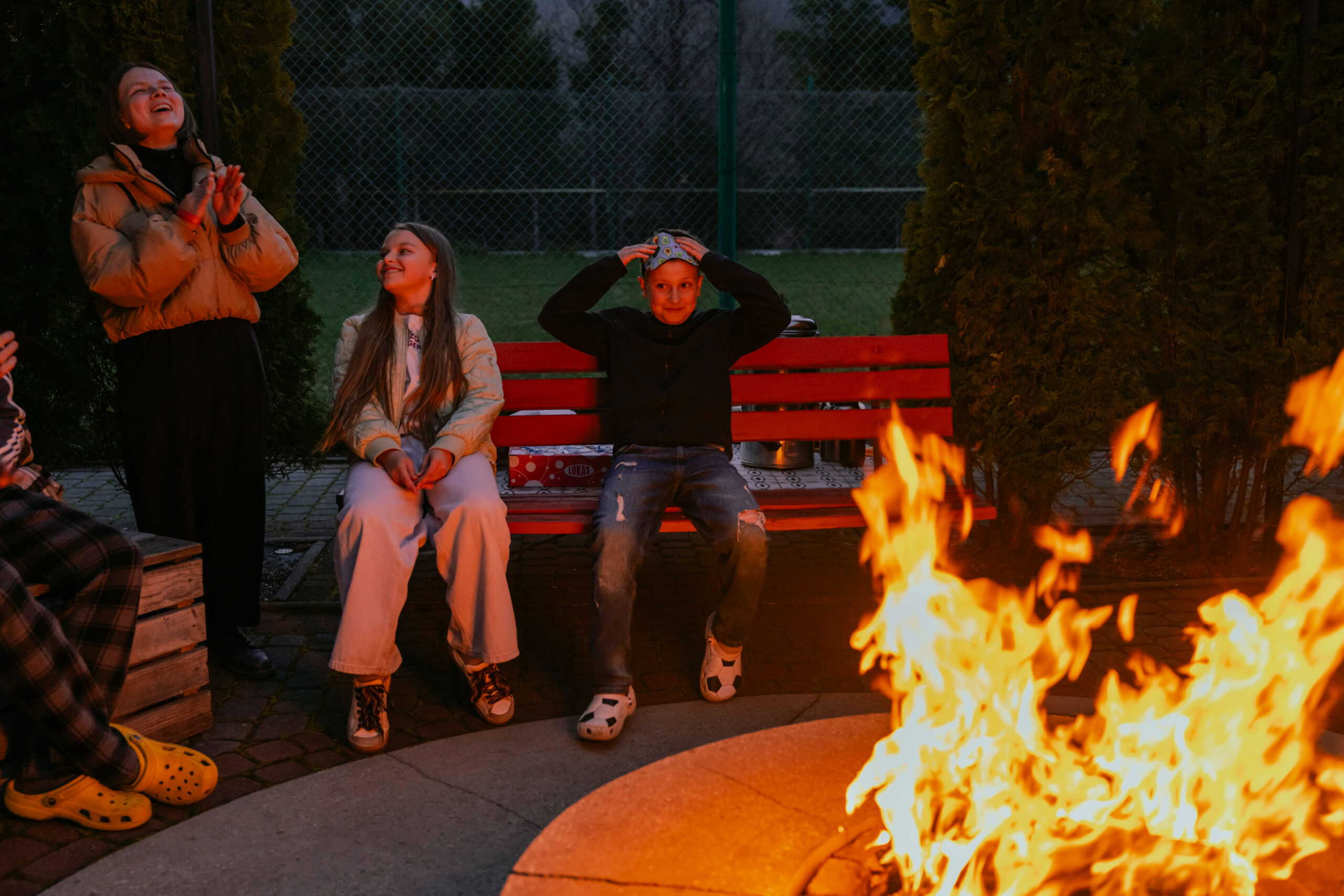
Every evening, the camp hosted engaging creative activities, including room presentations, a fashion show, a literary evening, a “Secret Friend” exchange, musical performances, and other initiatives that created a warm and inspiring atmosphere. The project team actively took part in these activities and enjoyed preparing performances together with the children.
The culmination of the project was a series of creative showcases, including the creation and performance of the participants’ own musical and theatrical works. Participants had the opportunity to present individual and group songs, texts, and performance pieces that emerged from their shared creative process. This experience allowed them to transform personal experiences into creative work, strengthen their sense of self-worth, and experience public self-expression in a supportive environment.
The final performances, combining elements of theatre, music, and movement improvisation, became a space for integrating everything the participants had experienced throughout the camp. Unlike traditional stage performances, they were built around personal stories and spontaneous interaction rather than pre-written roles and rigid direction. This gave participants an opportunity to experience greater freedom of self-expression and to connect with one another in the moment.
Analysis of Participants’ Psycho-Emotional Well-Being
To assess the changes experienced by the participants during the camp, a questionnaire was administered at the beginning of the project and again at the end.
Participants’ Initial State
At the beginning of the project, the children generally demonstrated openness to new experiences and a high level of interest in creative activities and social interaction. At the same time, the survey results showed varying levels of social confidence and comfort in communication.
More than 80% of the children said that they found it easy to make new friends and considered themselves sociable. However, some participants reported certain difficulties, giving responses such as “not always,” “not really,” and “50/50,” or noting that it depended on the group and context. This suggests varying levels of social adjustment and confidence in new groups.
Responses about being in large and noisy spaces were more mixed. While some children felt comfortable, others reported discomfort or said that it depended on the situation: “sometimes yes, sometimes no” and “I don’t really like noisy places.” This may indicate heightened sensitivity to their surroundings and a need for time to adjust to different environments.
Another important resource at the beginning of the project was the participants’ willingness to seek and offer support. Most children said they could ask others for help. However, a small number answered “not always” or “no,” which may indicate some reluctance to turn to others in difficult situations.
At the same time, motivation to learn and develop was very high: almost all participants said they wanted to learn something new. In their responses, children most often mentioned creativity, music, acting, drawing, communication, and personal development: “because I want to grow,” “I want to learn something new,” “because it’s interesting,” “to find my calling,” and “to overcome my fear and develop.”
It is also worth noting that the participants’ initial average well-being scores indicated a certain degree of vulnerability. On a scale of 1 to 10, the average scores were approximately:
- sleep: ~7.6/10
- appetite: ~7.5/10
- energy and alertness: ~8.0/10
These figures indicate an overall satisfactory physical state, although there was considerable variation between participants — from high levels of energy to lower scores among some children.
Overall, the initial stage of the project can be characterized by a combination of openness to new experiences, high motivation for learning and personal development, and varying levels of social confidence, sensitivity to the environment, and willingness to seek support.
Changes by the End of the Project
By the end of the camp, clear positive changes were noticeable. The children became more open and at ease in their interactions, while tension and inhibition gradually decreased. Their connection with themselves and others improved, along with their awareness of their own emotional states, empathy, and ability to respect personal boundaries. Communication within the groups became more natural and trusting, particularly among the teenage groups, where interactions became more relaxed and mutually supportive.
The daily morning circles played an important role in this process. They created a safe space for participants to express their needs, doubts, and feelings, making it possible to address difficulties in a timely manner and maintain a healthy atmosphere within the groups. Regular reflection supported the development of self-awareness and a greater sense of responsibility for one’s own emotional state.
Creative evenings and shared activities brought together participants of different ages, helping foster new friendships and a sense of community. The absence of competition encouraged genuine engagement and mutual support. Children and teenagers actively turned to mentors and coordinators, building relationships based on trust and partnership.
The project had a positive impact not only on the participants’ emotional well-being but also on their physical state. By the end of the project, the children appeared more “alive” and energetic. Their sleep became calmer and more consistent, their appetite more stable, and their energy levels noticeably higher. There were significantly more scores in the 8–10 range in the final responses, indicating an overall improvement in well-being. The increase in energy and alertness was particularly notable: children more often described themselves as active, engaged, and ready to take on new activities. This aligns well with the overall atmosphere of the project — movement, nature, creativity, and social interaction provided a tangible resource for recovery.
Despite the challenges of adaptation — their first trip away from their parents, experiences related to the war, and the difficulties of living together — the support provided by the team helped the participants navigate this period with relative ease. They received the support they needed, were able to process difficult emotions in a safe and healthy way, and completed the project with a stronger sense of personal growth, acceptance, and inner resilience.
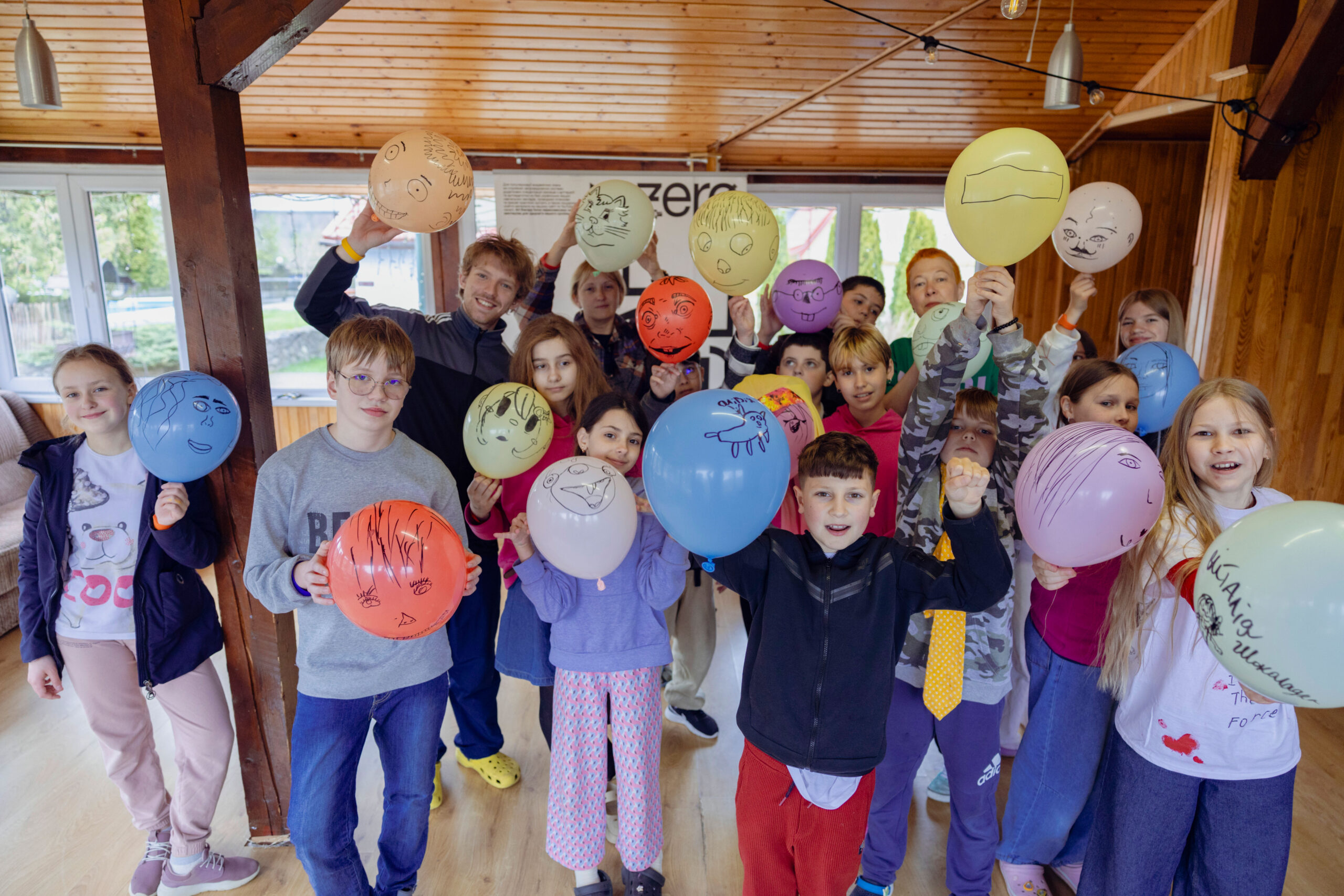
Survey Results from the Children
- 100% of the children enjoyed their time at the project.
- 100% of the children reported an overall positive experience at the camp and expressed a desire to take part in similar projects again in the future.
- 95% of the children wrote in the final questionnaire that they had made friends during the project. Only 2 out of 43 children said they found it difficult to make close friends during the camp.
- 93% of the children said they had learned something new during the project.
The majority of children (approximately 88%) said they experienced no significant difficulties during the project, or that any difficulties they encountered were minor and quickly resolved. At the same time, around 12% of the children described individual challenges typical of an intensive group and creative environment. These most often included nervousness before performances, shyness, difficulties with communication and adapting to a new group, occasional conflicts, emotional experiences such as homesickness and anxiety, as well as everyday issues or minor illnesses.
Despite these challenges, the vast majority of children said they were able to cope with them. Their main sources of support were mentors, the psychologist, coordinators, and friends, as well as their own inner resources and engagement in creative activities. The children noted that the atmosphere of acceptance and support helped them navigate difficult moments:
- “My friends and the psychologist helped me.”
- “The mentors and my friends.”
- “I was able to overcome it myself.”
- “It resolved itself.”
- “The whole team, and myself a little bit too.”
During the project, almost half of the children (58%) noticed changes in their character, behaviour, or attitude towards others. The changes most frequently mentioned included greater openness, confidence, sociability, and emotional stability. Many responses referred to improved social skills, teamwork, and a calmer attitude towards stressful situations:
- “Now I can fit into new groups more easily.”
- “It has become easier for me to communicate with people.”
- “I’ve become more open and kinder towards people.”
- “I’ve become more confident.”
- “I started making friends more easily and seeing joy even where there is almost none.”
- “I started smiling more.”
- “I realized that you need to work as a team.”
- “I’ve become kinder, braver, and more courageous.”
- “I’ve become more mature.”
The remaining children either did not notice any significant changes or said that their overall state had remained stable. At the same time, even among these responses, children often mentioned an improvement in their emotional state, greater ease in communication, and positive impressions of their experience at the project.
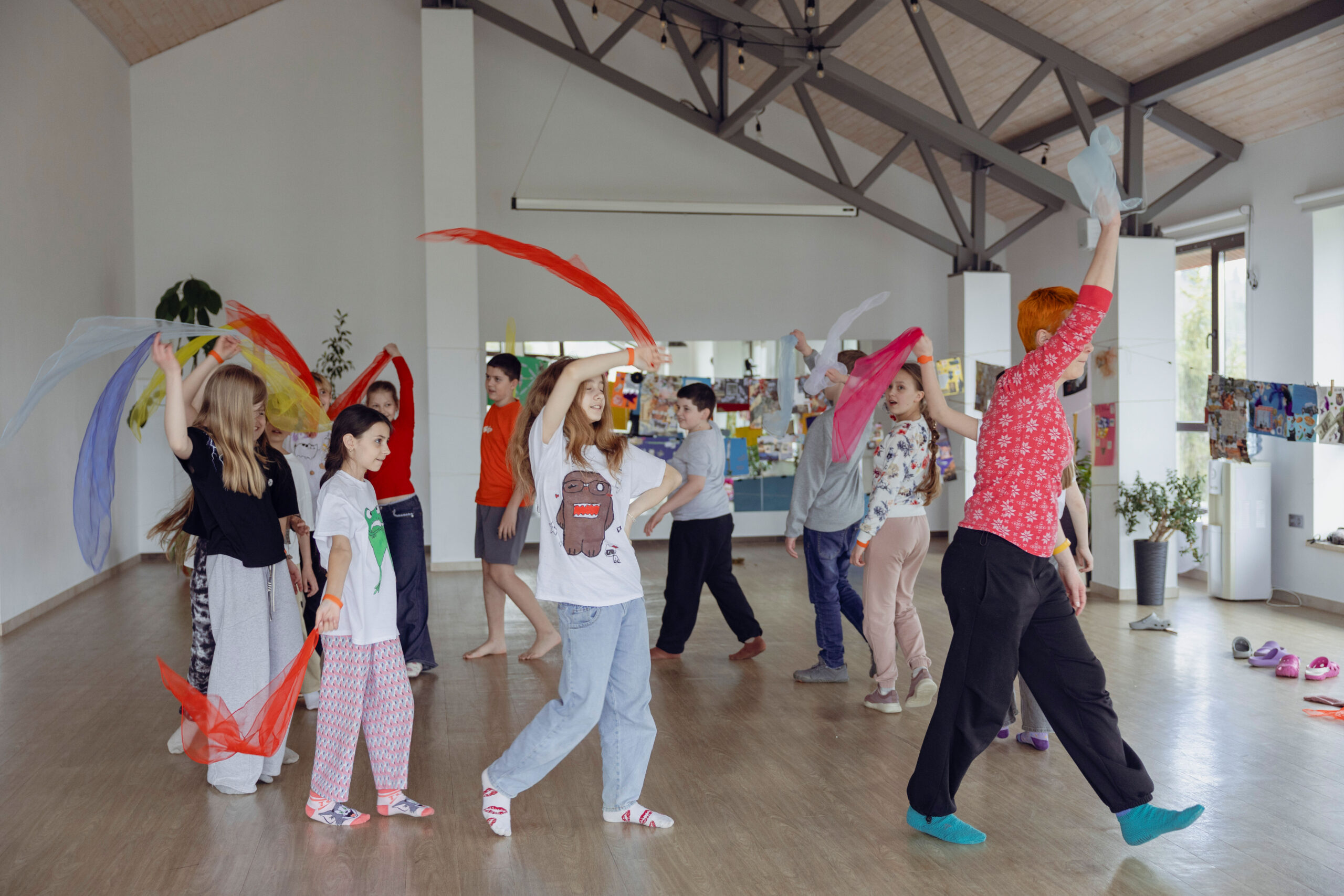
In response to the question, “Has your sleep and appetite improved during the project?”, approximately 84% of the children said they had noticed positive changes.
Around 76% of the children reported an improvement in their physical well-being during the project.
When asked, “What emotions did you experience most often during the project?”, the children predominantly reported positive emotions. Thirty-nine out of 43 children (91%) said they most often experienced joy, laughter, happiness, and an overall sense of emotional uplift while taking part in the project. Many participants also mentioned feeling inspired and interested, enjoying new activities, and experiencing a sense of love and support within the group. Some children described a particularly diverse range of emotions, combining joy with other feelings such as tiredness, surprise, tenderness, calm, and pride.
A small number of children (4 participants) said they sometimes experienced homesickness or brief moments of disappointment or nervousness, particularly before performances or as the camp came to an end. However, these emotions did not dominate their overall experience.
The most frequently repeated responses included:
- “Joy.”
- “Joy, laughter, fun.”
- “Joy and inspiration in every moment.”
- “I was very happy.”
- “Laughter, joy, tenderness.”
- “Joy, surprise, excitement.”
- “Incredible joy.”
- “Joy, love, unity, peace.”
- “I was having a lot of fun most of the time.”
- “Joy for everyone.”
When answering the question, “What was the most important thing for you during the project?”, most children mentioned communication, friendship, the team, and the opportunity to take part in shared activities. For the participants, meaningful connection with other people, a sense of support, and meeting new people were among the most important aspects of the experience: “Friends,” “Friendship,” “Face-to-face communication with people,” “Communication with others,” “Having people around me,” “Unity,” “Comfort,” “The support of people who believe in you.”
The creative and active aspects of the project were also important. Children valued the opportunity to express themselves, try something new, and take part in different activities: “Creative evenings,” “Acting,” “Taking part in all the performances,” “Expressing myself and my abilities,” “Trying myself in different areas,” “Creativity,” “Being involved in different activities.”
Some children emphasized the importance of the overall emotional experience and having a chance to rest: “Rest,” “Sleep,” “Getting enough sleep,” “Making new friends, resting, and recharging emotionally,” “Everything,” “Everything that happened here.”
Other responses reflected more personal meanings and individual experiences: “Talking with friends,” “Spending time with friends,” “Making gifts,” “Being part of a team and taking part in different activities,” “The people around me and how I feel.” Together, these responses demonstrate the multidimensional nature of the children’s experience — from social connection and emotional well-being to creativity and personal growth.
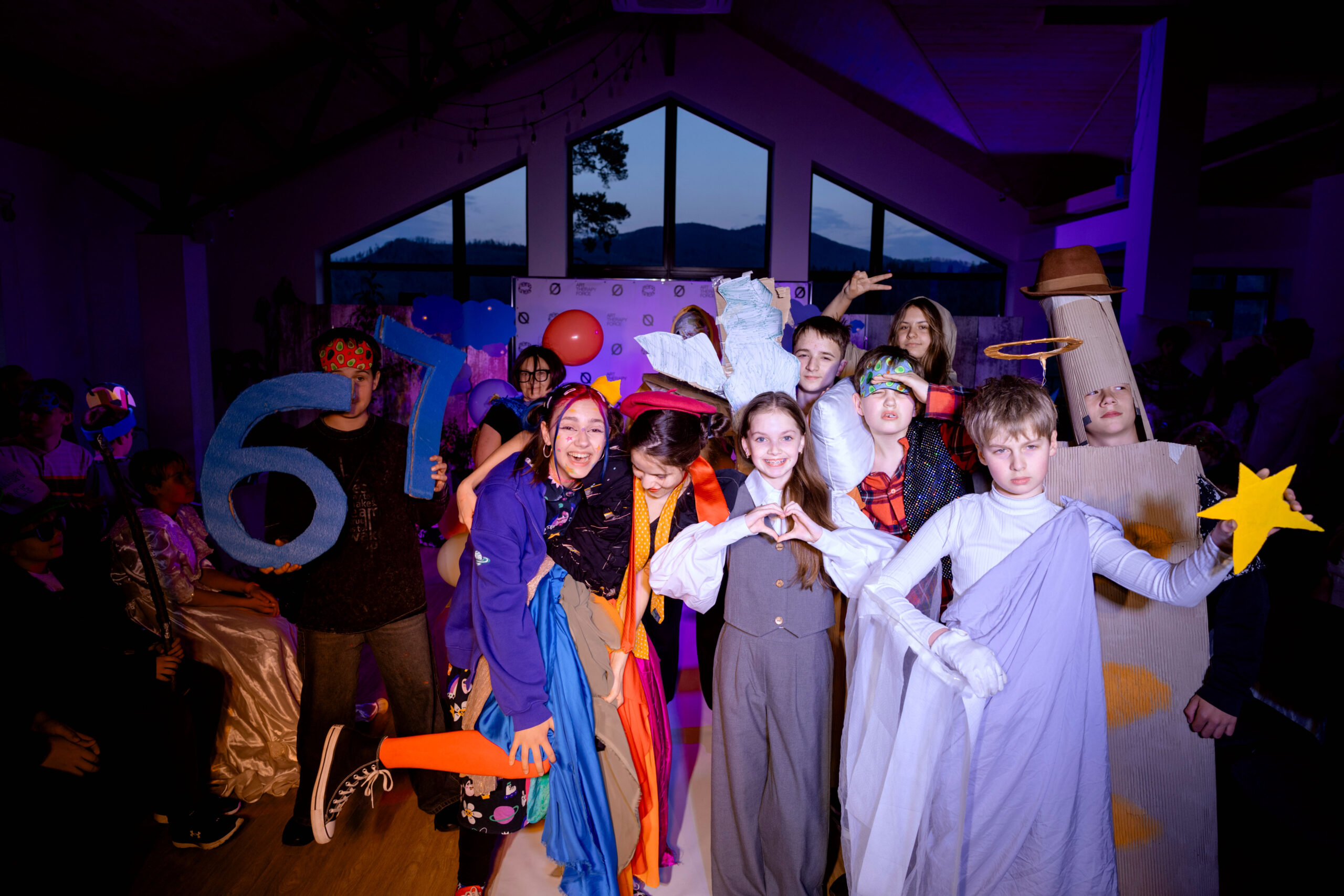
The Most Interesting Discoveries During the Project
In the final survey, the children shared what new and meaningful things they had discovered about themselves during the project. The most frequently mentioned experiences included acting, music, movement practices, collage-making, painting T-shirts, and hiking in the mountains. The children wrote: “Acting,” “Creative evenings,” “Movement practices,” “I recorded a song,” “I learned to play the ukulele,” “I learned to play the glockenspiel,” “Hiking in the mountains,” “Going to the river.”
Many responses focused on overcoming inner barriers and becoming more confident: “I can be an actor,” “I can perform in front of an audience,” “I’m less afraid before performances now,” “I can overcome my fear and go on stage,” “I’m not afraid of the stage,” “I can do much more than I think,” “I realized that to make things work, I need to pull myself together and start working.”
The children also highlighted the importance of their emotional and personal experiences: “I love nature even more now,” “I discovered that everything I do has the right to exist,” “I love people and myself too,” “I didn’t know I could sing so well,” “I’ve become more confident in myself.”
There were also simple but very sincere discoveries about the joy of connecting with others and trying new things: “Discos are actually fun,” “Lots of friends and new experiences,” “Adults aren’t always serious, and that’s a good thing,” “Other people don’t notice my mistakes the way I do.” Overall, these responses show that the project became a space where children could explore their creativity, become more courageous, develop new skills, and gain meaningful personal insights.
When asked what they would like to say to the adult team, the children’s responses were filled with gratitude, warmth, and support. They spoke highly of the mentors, coordinators, and the entire team, highlighting their kindness, involvement, and ability to create a safe and friendly environment. Many children asked the team to preserve this approach and continue the project in the future so that even more children could have a similar experience.
We could not help but share some of these heartfelt messages from the children:
- “Please don’t stop. I’m looking forward to even bigger projects from you.”
- “YOU ARE ALL AMAZING, THANK YOU!!”
- “I hope you always have the desire to do more things like this.”
- “Thank you so much for letting us do everything and for being so kind to us. You’re all so cool and fun.”
- “I wish you health, happiness, and plenty of rest.”
- “Keep doing what you do, you are simply wonderful.”
- “I’m so grateful to you for this wonderful project, which gave me so many new emotions.”
- “I love you all so much, you are the best.”
- “I hope this won’t be the last camp.”
- “Stay just as cool and fun as you are.”
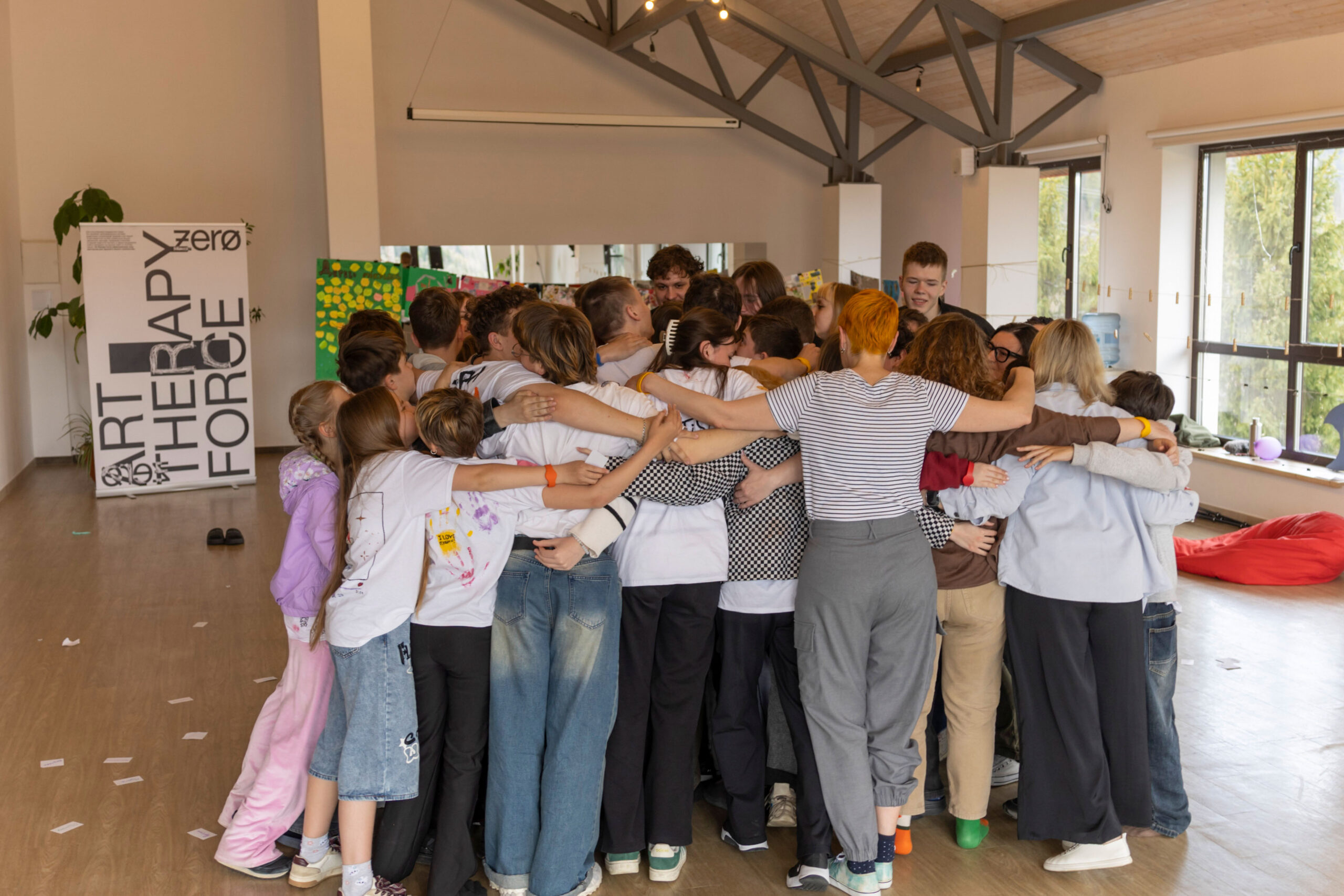
Parent/Guardian Survey
Following the completion of the project, a final survey was conducted among the participants’ parents and guardians. The aim was to gather feedback on the children’s emotional and physical well-being after returning home, assess their level of satisfaction with the project, and identify any difficulties or changes that may have resulted from their participation.
Parents shared their observations about how their children adapted after the camp, the memories they brought home, changes in their relationships with others, as well as their level of openness, initiative, and emotional well-being. The responses provide an opportunity to assess the project’s short-term impact on the children and identify its key outcomes and qualitative changes.
Most children continued to regularly talk about the project and share their experiences with their families after returning home. For many, the camp became an emotionally significant experience that left a warm and lasting impression. Children talked about new friends, the supportive atmosphere, creative activities, concerts and performances, hikes in the mountains, walks, board games, and evenings spent together. Parents noted that their children looked through photos and videos, shared stories from the camp, stayed in touch with their new friends, and continued returning to their memories of the project even some time after it ended.
The interaction with mentors and coordinators, the sense of acceptance and support, and the opportunity to express themselves freely through creativity were particularly meaningful to the participants. Children recalled performing on stage, taking part in music and acting activities, working as a team, and overcoming their nervousness about performing in front of an audience.
Parents shared comments such as: “She says it was the best camp she has ever been to,” “The hike was a whole separate ‘Wow,’” “He would have stayed there forever if he could,” “I wish they had activities like this at school,” “She keeps talking about it and smiling.” For many children, the project became not only a source of positive emotions and new friendships, but also an experience that continued to support them after the camp ended.
99% of parents reported an improvement in their children’s physical and emotional well-being after the project.
Key Changes in the Children’s Physical and Emotional Well-Being After Taking Part in the Project (Based on the Parent Survey)
- Psycho-emotional recovery and reduced anxiety. The project provided children with a safe space to take a break from prolonged stress, air raid alerts, and online learning. Parents noted reduced nervousness, calmer responses to stressful situations, including loud noises, a greater ability to engage in dialogue instead of having emotional outbursts, and an overall restoration of inner balance.
- Greater emotional stability and improved mood. Children returned home more balanced, in a better mood, and experiencing more positive emotions in their everyday lives.
- Socialization and greater openness. The camp became a space for face-to-face communication and an opportunity to overcome isolation. Children became more willing to interact with peers and parents, more often shared their feelings, took initiative, and expressed their own opinions.
- Greater independence and confidence. For many participants, this was their first experience travelling independently. Parents observed increased responsibility, a greater ability to articulate and defend their views, find compromises in conflicts, and take on new challenges.
- Physical recovery and increased energy. Children returned home energized, rested, and full of vitality, with greater motivation to be active and creative.
- Creative self-expression and a sense of belonging. The project created a space for creative expression, support, and acceptance, where children could feel that they were part of a community.
“These eleven days changed my child — he became more confident and emotionally calmer.”
“His emotional and physical state improved tremendously. It was clear and tangible that the project gave him a new breath of fresh air and a renewed desire to live through creativity.”
“She became calmer, more open, and she’s glowing.”
“My child came home with an incredible amount of energy. It’s been more than 10 days, and the energy hasn’t gone away.”
“My daughter started believing in herself and her abilities more. Less anxiety. Less worry about the future.”
“He became more open to communication, and new dreams appeared.”
This positive dynamic suggests that the project had an impact not only on the children’s emotional well-being, but also on their confidence, motivation, social engagement, and ability to restore their inner resources.
100% of parents said that their child’s participation in the project was important to them.
Most parents reported that no significant difficulties arose while their children were taking part in the project. Responses were dominated by statements such as “there were no difficulties,” “everything was well organised,” and “everyone stayed in touch.” Parents positively assessed the organisation of the project, highlighting well-planned processes, the team’s availability, and clear, effective communication.
At the same time, in a few cases, parents experienced natural concerns related to the country’s security situation, the journey to the camp, separation during a child’s first extended stay away from their parents, and worries about their children’s health. Detailed organisational information, parent chats, regular communication with coordinators and the project team, the opportunity to contact their child promptly, and trust in the camp’s professionals were important sources of support for parents. They also highlighted the value of open communication and the team’s caring support, which helped reduce anxiety and created a sense of safety and calm throughout the project.
Parents shared the following reflections:
“We discovered a different side of our child. It became clear just how many-sided our son’s personality is.”
“My child was quite emotionally exhausted before the project, but as soon as they heard about it, they became excited about the idea of taking part.”
“The child was able to completely switch off from everyday anxieties and worries and immerse themselves in a safe, friendly, and creative space.”
“This project was like a breath of fresh air. It gave them strength, inspiration, and the realisation that life is interesting and has many different sides.”
“The child opened up and became less shy, gaining new experiences and skills.”
“This became the beginning of changes, and I can feel them.”
“She was able to feel strong and truly herself.”
“He rested and immersed himself in a creative atmosphere. Real therapy.”
“My daughter seemed to enter another reality, where there were no explosions or air raid alerts, but nature, friends, and peace surrounded her.”
“Even if my son doesn’t talk much about it, we can see the result: he rested and changed internally.”
“This was his first experience travelling independently, and it became a very important step towards growing up.”
In the context of prolonged exposure to stress, these changes are an important indicator of increased resilience and the restoration of children’s inner resources. The project’s effects continue beyond its completion, becoming visible in children’s everyday lives and learning.
Project Conclusions
The project provided a safe space where children could express themselves creatively, restore their inner resources, strengthen their sense of self-worth, and build supportive connections. Through creativity, shared activities, and interaction, they developed communication skills, learned to collaborate, take initiative, and express their thoughts and feelings.
Throughout the project, it was clear that the children were becoming more open, confident, and actively involved in group activities. Those who initially found it more difficult to adapt or interact with others gradually became more engaged, made friends, and experienced the support of the group.
One of the most valuable outcomes was the atmosphere of trust, acceptance, and mutual support that developed among the participants. The children created a shared experience that did not end with the project: they continued communicating and keeping in touch afterwards. This highlights the importance of the experience they went through together and the strength of the community that emerged.
The project became a place where children could experience joy, safety, a sense of belonging, and the freedom to be themselves. Experiences like these create a foundation for growth, resilience, and recovery in today’s challenging circumstances.
Text by Inna Khartova, project psychologist
What Participants Say
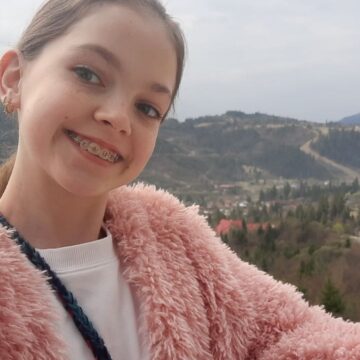
Kira Tutova, 12
Hi everyone! My name is Kira, and this camp was 100% amazing! I had a great rest and made new friends. The food was so good — everything was so delicious that we couldn’t get enough! The views were incredible, the air was fresh, and there were little rivers everywhere! The rooms were really nice and cosy. And the mentors, psychologists, and coordinators were so kind and welcoming! Thank you all for choosing me to take part! I’ll remember this camp forever. And the creative evenings were something truly special! Every evening brought something new — literature, collage-making, and more. Everything was just amazing! I had such a wonderful time over these ten days. Thank you so much for this camp!
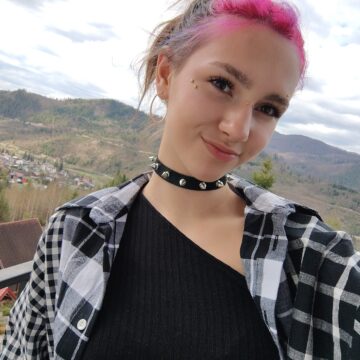
Marharyta Kovtun, 13
The camp was really great and useful. I think everyone should have an experience like this at some point in their life, because there are so many creative activities that encourage you to step outside your comfort zone, which is important. Organisations like this are genuinely important. I’m really happy that I got to be part of it. The mentors and the other children were all great, and you could talk to everyone. The psychologist was wonderful, and all the mentors were amazing too. Thank you all for these unforgettable memories!
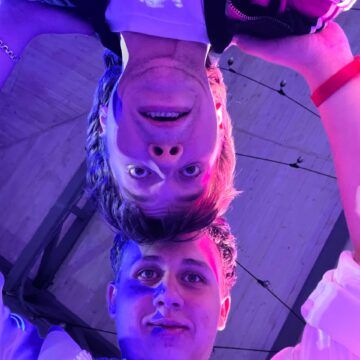
Yaroslav Skolzniev, 15
This is a really great and wonderful project where I learned a lot of new things and met some great people. Everyone here is so kind — both the mentors and the coordinators. I highly recommend it to everyone.
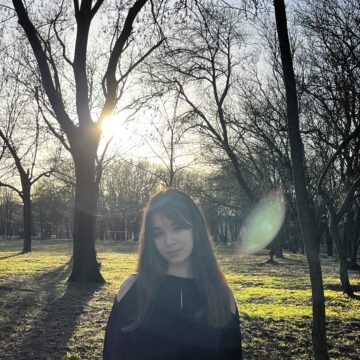
Mariia Halka, 15
I’m very grateful to this project for everything. The coordinators were sincere and supportive, the mentors were wonderful, and there were amazing people around me! The movement practices, music workshop, and acting sessions helped me open up and express myself through creativity 🩷 I’m grateful to have been part of this wonderful project 🙌🏻
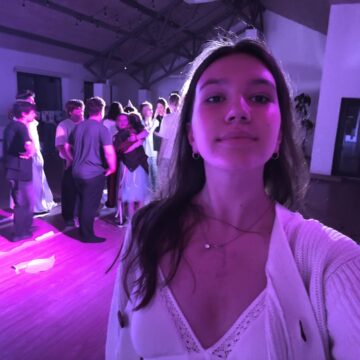
Kateryna Honchar, 17
People. Hugs. Sincerity. A breath of fresh air and new wings that let you see the world from a different perspective, get to know yourself, and make sense of everything that’s on your mind. Mentors and coordinators who are always ready to listen, help, and share your worries with you. Participants who support you and understand the importance of acting as one team. This project gave me the opportunity to feel independent and connected to creativity. I’m grateful beyond words. The project is a place of change, self-discovery, and gratitude.
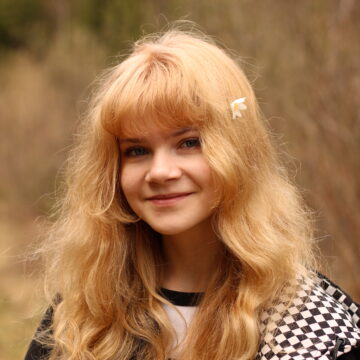
Solomiia Zatserkovna, 14
The project was incredible. It helped me become more confident and open up, just as I had hoped when I applied. In just ten days, I changed and experienced an enormous range of emotions and made so many memories. This camp healed me, both emotionally and physically. I love ATF and will keep it forever in my heart as a small step towards my childhood dream of being involved in creativity ❤️

Sasha Titova, 16
This project helped me let go of many inhibitions, and I feel motivated to develop my creativity again. The coolest coordinators, the coolest people, the coolest space ❤️
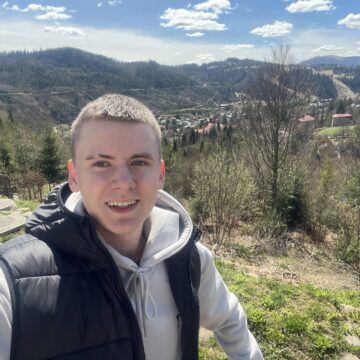
Mykyta Kutiepov, 15
Amazing mentors, such a great vibe — absolutely awesome!!!!
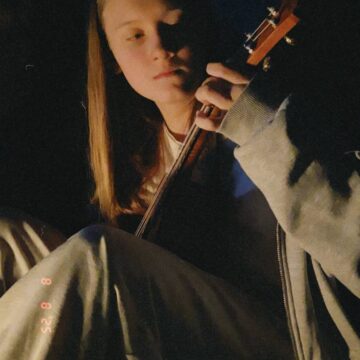
Alisa Butenko, 13
This is a place where people will support you at any moment, no matter how bad you feel or what you’re going through. Here, you can understand what direction you want to take next. The people here help you find something you love doing and find your own path.
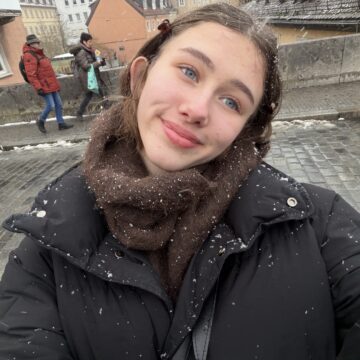
Veronika Karpishchenko, 16
A comfortable, safe, and amazing space where you don’t have to be afraid to show who you are and try new things. Coordinators who are ready to help and genuinely want to.
What Parents Say
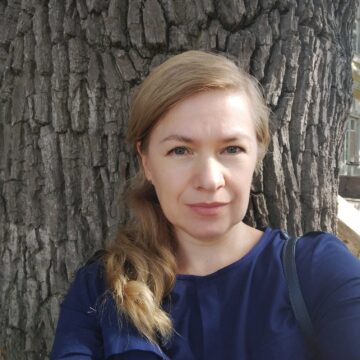
Maryna Romanenko
My child came home from the Kids Art Retreat Project full of positive impressions. More than a week has passed, and she is still talking about the camp: the new friends she continues to keep in touch with online, the mentors, the creative activities, and the adventures in nature. The acting sessions showed her that there is no need to be afraid of expressing yourself.
For our family, this project was especially important. Because of online learning and the war, my child had been missing opportunities to interact with a group of peers. The camp became a safe space where she could simply be a teenager, take a break from the anxiety of everyday life, and experience bright, meaningful days.
During this time, she learned to communicate with participants and mentors of different ages, became more independent, tried new forms of art, and opened herself up to new experiences. I would also like to highlight the high level of organisation: a well-planned programme without overloading the children, good communication with parents, and regular photos and videos that gave us a sense of being there with them.
Thank you to the organising team and the patrons who made this experience possible.
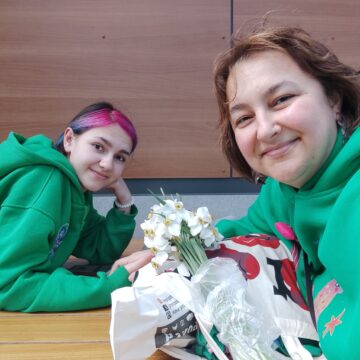
Olena Dagaieva
The project exceeded my expectations. I never imagined it would be this amazing, well-organised, enriching, and full of care. Everything, from logistics to communication with the children, was handled at a very high level. The mentors and teachers were wonderful — modern, interesting people who genuinely love children and are passionate about what they do. They openly shared their experience and knowledge without putting any pressure on the children: they encouraged them, supported them, and cared for them in a very respectful and thoughtful way. If teachers and psychologists in schools were like the ones at this camp, there would be many more happy children.
My daughter gained a lot of valuable new experiences and came home more confident in herself and her abilities. It seems that she now has a clearer idea of what she wants to do in the future and feels more confident about the direction she wants to develop in. She has expanded her own sense of what is possible and now sees more opportunities for herself in the future. She also made new friends.
I’m sincerely grateful and wish the project and the wonderful people behind it every success!
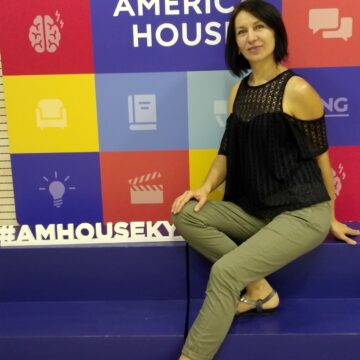
Yana Donets
Kids Art Retreat — you are the best! What you do is incredibly important in the times we are living through. Children who live under constant stress from air raid alerts, Shahed attacks, and explosions, and who don’t even have the opportunity to experience a full sense of safety, were given a wonderful chance to catch their breath and get to know themselves more deeply. And you can feel and see the difference in the children after they take part.
My son came home with so many stories and impressions: creative evenings, walks, music and acting classes, nature, the mountains, a friend who plays the guitar better than he does, a boy who draws amazingly well, a counsellor who can do incredible flips… It was a complete reset!
Thank you sincerely for giving children this opportunity. We hope the project continues to grow and expand, so that even more children can take a break and discover more about themselves.
P.S. And hopefully we’ll get the chance to take part again. 😊
Wishing you success, inspiration, and a chance to scale the project even further!

Oksana Berkar
My child really wanted to take part in the Kids Art Retreat Project, and her dream came true. She had taken part in other projects before, but this one is definitely among her favourites. Everything was carefully thought through, from organising the journey to planning the schedule. The children never had time to get bored. Everything was designed to help them discover their talents, and for some of them, dreams even came true thanks to this project.
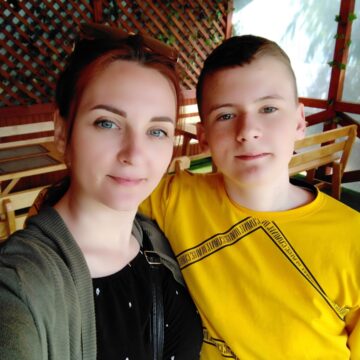
Maryna Kutiepova
Huge thanks to the project for giving my son the opportunity to have such amazing and unforgettable experiences and emotions. This was not simply a trip or a holiday — it was a psychological reset for children during an incredibly difficult time.
The project was thought through down to the smallest detail. The organisers and mentors are true professionals who, through their thoughtful approach to children, gave them the opportunity to open up fully.
This is where my child experienced some of his brightest emotions and memories. My deepest respect and gratitude to everyone who is doing such important work — helping teenagers become physically and emotionally healthier, stronger, and more confident individuals who will become a strong foundation for our society.
Thank you from the bottom of our hearts!
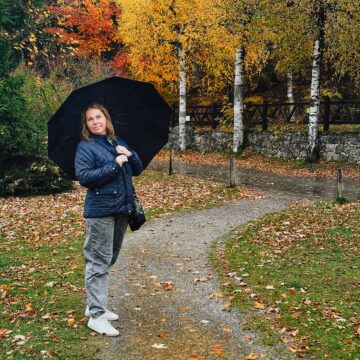
Anna Dementii
My sincere thanks to the organisers, patrons, coordinators, mentors, and everyone involved for giving my child this wonderful opportunity to reset emotionally. My daughter was very happy to take part in the project. The location was beautiful, the programme was engaging, and there were so many bright and memorable experiences.
Special thanks for organising the logistics. In times like these, it is extremely difficult to get train tickets from frontline cities. The children were professionally brought together and accompanied safely to and from the camp.
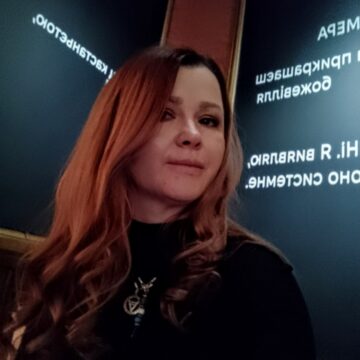
Anna Holovko
Dear organisers and mentors, you are incredible, and so is your project. We experienced so many emotions ourselves, looking through the photos and videos from each day of our children’s time at camp! And just imagine how many emotions they brought home with them!
We are sincerely grateful for the opportunity to rest, reset, express themselves creatively, and make new friends. The stories about the camp are still going strong. Thank you for creating this little fairy tale!
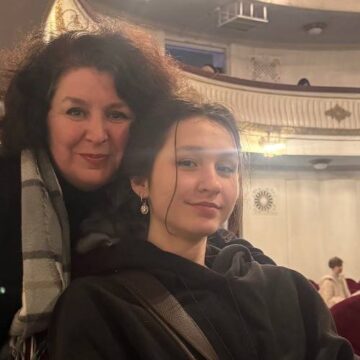
Yuliia Kovtun
Our family would like to thank the entire tireless team behind the Kids Art Retreat Project. Your big hearts are full of love for children! You are truly amazing people.
April 16–27, 2026 was a happy period in our child’s life — a time of new experiences and new opportunities becoming reality. Thanks to the project, our daughter became more open and emotionally relaxed. The team’s belief in her gave her a renewed zest for life. As parents, we value every kind and supportive word our daughter heard.
The thoughtfully planned and safe journey, excellent organisation of all activities, delicious food, wonderful accommodation, and daily communication with parents — all of this reflects the high level of professionalism of everyone involved in making the project happen.
Our family is deeply grateful for your work!
Nataliia Roieva
I would like to express my sincere gratitude to the camp organisers for the wonderful atmosphere and the opportunities my son Dmytro received. For him, these were days of joy, new discoveries, and a real sense of teamwork. He came home inspired, full of energy, and with new friends.

Iryna Zatserkovna
The project was very well organised, and everything was designed with the children in mind. My daughter was incredibly happy when she came home and seemed to have enough energy to last for a hundred years! I was really impressed — you could see just how satisfied she was. She started spending more time on the things she loves while still keeping up with her studies. She now has the energy to grow and pursue her ambitions.
I’m grateful to this project for helping my child recover and find her energy again.