Ukrainian Artists Camp
Artists play an important role in the recovery of Ukrainian society. They document events, bear witness to people’s experiences, provide psychological support, help build resilience, strengthen identity, and bring communities together around a shared past and future. It is clear that they, too, need support and time to rest.
“Artists from Ukraine will be at the forefront of rebuilding the country and healing the damage and destruction left by the war. We experienced in the 1990s how violence and trauma affect society as a whole, and we know how crucial the role of artists and artistic practices is in helping society recognise and process its trauma and begin the process of healing,” says Lenka Udovički, Serbian theatre director and director of Ulysses Theatre.
Ukrainian Artists Camp is a series of educational retreats for Ukrainian artists in Croatia. The project was launched in 2022 in response to the full-scale invasion and has since brought together 135 participants aged between 5 and 67.
The first two camps took place in 2022 and aimed to address the fragmentation of Ukraine’s cultural and artistic sector, bringing together both internally displaced people and those who remained in Ukraine. Participants included representatives of Ukrainian higher arts education institutions, professionals interested in art therapy and working in communities, final-year students in related fields, and their children.
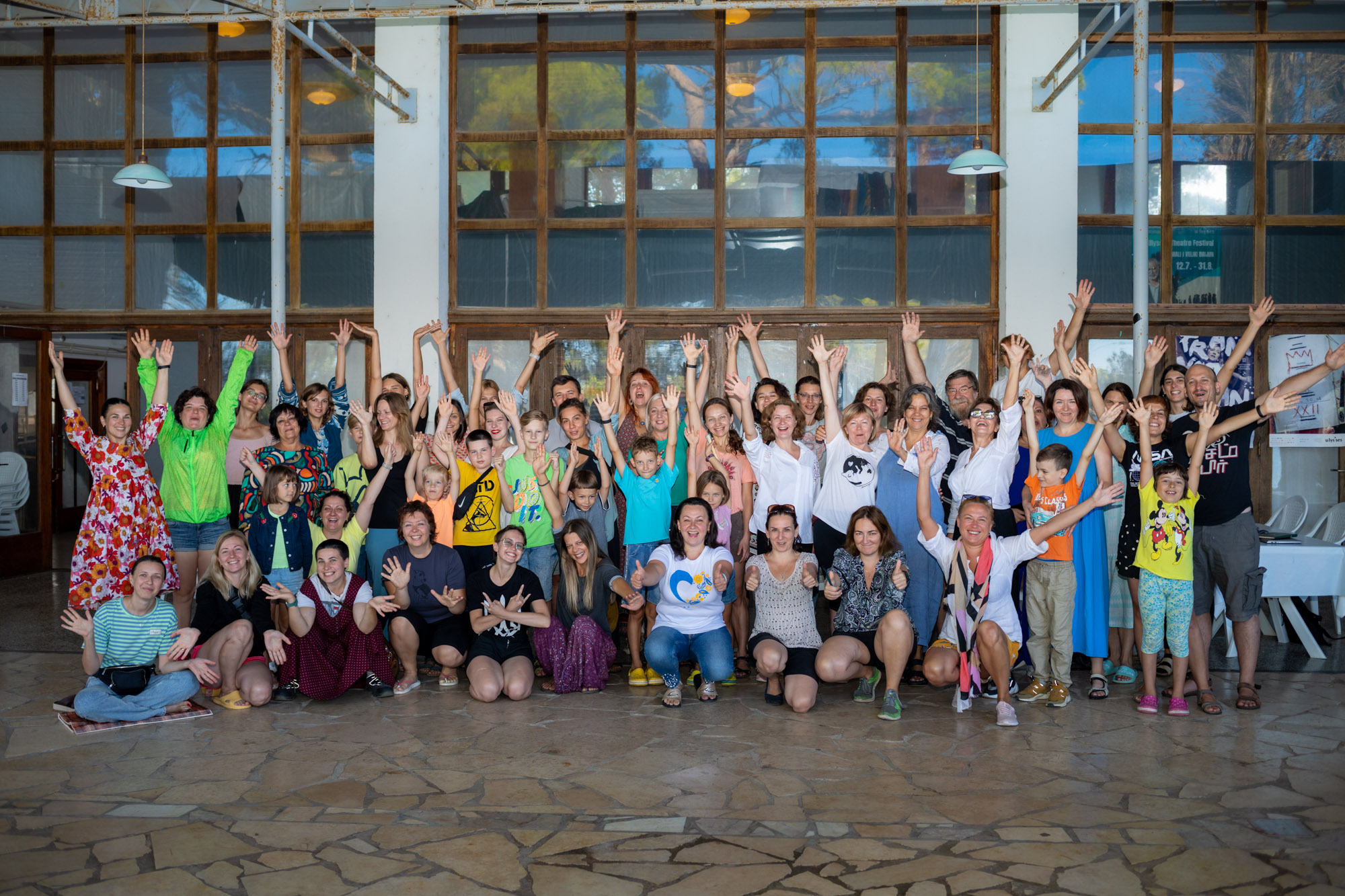
The educational programme focused on multidisciplinary approaches to art therapy, led by Professor Nigel Osborne and his team. The first camp explored performance-based therapy and cross-sectoral approaches, while the second focused on music and body-oriented therapy.
Here’s what it looked like.
The project was organised by Croatian theatre and festival Ulysses and the Ukrainian NGO Art Dot. It was supported by private donors, Croatian IT company Infobip, Continental Wind Partners, and other partners.
Ukrainian Artists Camp 2026
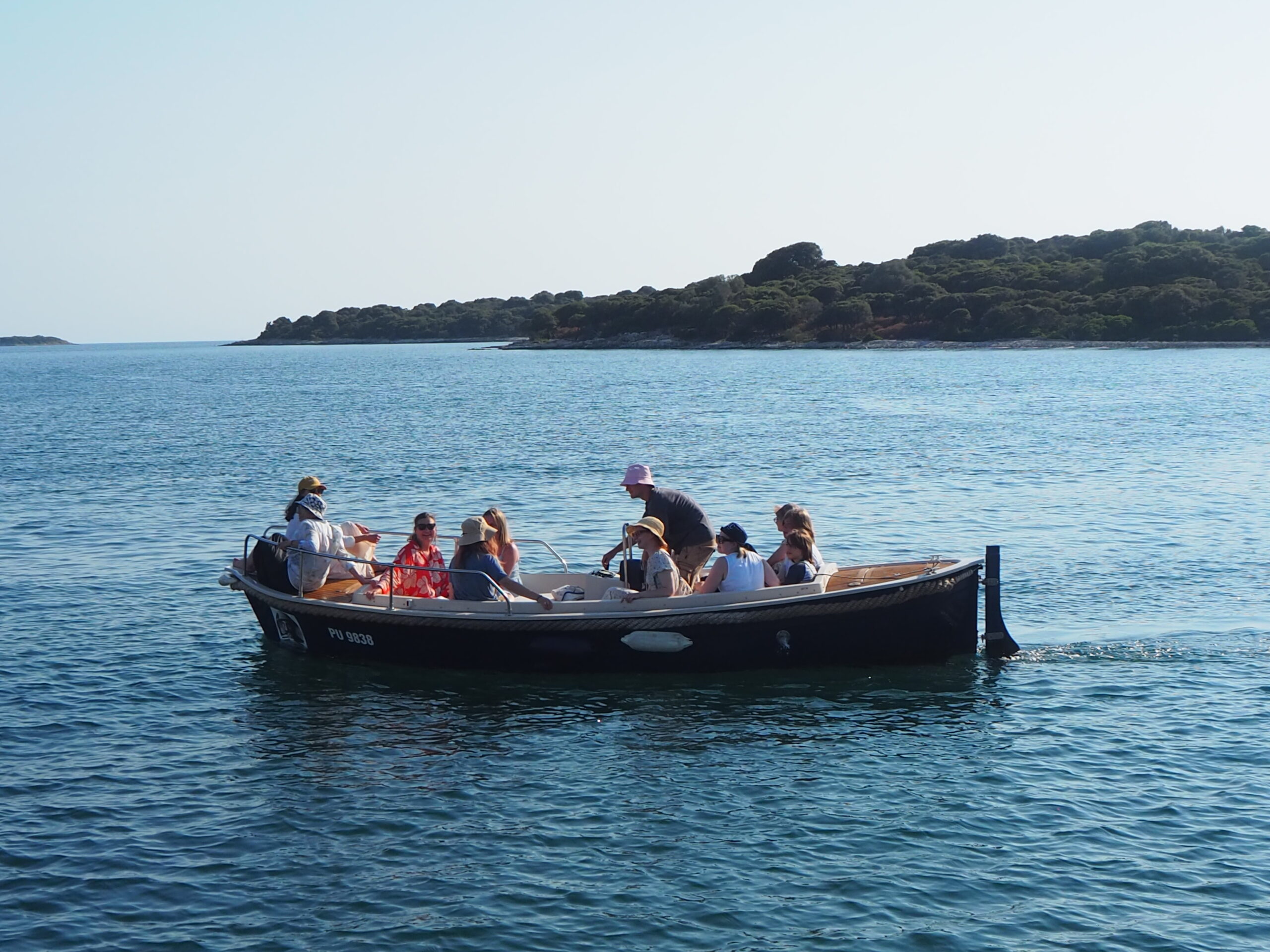
The third camp took place in late July 2026. This time, the aim was to create a safe and supportive space for Ukrainian artists to rest, reflect, and strengthen their emotional and psychological wellbeing away from the immediate context of war, helping them sustain their capacity to continue their work. Thirty people took part in the camp. The programme combined artistic and educational activities, exchange of experience, and time to relax on the beach.
Like the previous two camps, this year’s edition took place in Brijuni National Park — an archipelago of fourteen islands in Istria, a former Italian province in northwestern Croatia. One of the islands, Mali Brijuni, was the private residence of Yugoslav leader Josip Broz Tito. Among its visitors were Indian Prime Minister Indira Gandhi and Ethiopian Emperor Haile Selassie.
The camp was part of the ARC project aimed at strengthening the resilience and capacities of Ukrainian women artists through artistic and therapeutic practices. The project was implemented by Ulysses Theatre in collaboration with Art Dot and with the support of the Croatian Ministry of Foreign and European Affairs.
About Ulysses
Ulysses was founded in 2001, after the Balkan Wars, as a meeting point for artists from across the former Yugoslavia and around the world, regardless of religion, ethnicity, or background. The project was built around the idea of creating a safe environment for creative exchange and healing through art. After the experience of war, art became a way to rebuild professional connections, return to creative work, and gradually process collective trauma.
Over more than two decades, Ulysses has welcomed more than 3,000 participants from different countries. The theatre also runs educational and social programmes, including work with children in Bosnia and Herzegovina and programmes for children with disabilities. This experience became one of the foundations for its collaboration with Ukrainian artists and Art Dot during the full-scale war.
Team

Nigel Osborne is a composer, art therapist, and expert in using music and art to support children traumatized by war. He developed his method during the war in Bosnia and Herzegovina (1992-1995) and later applied it in the Balkans, the Caucasus, the Middle East, East Africa, Southwest Asia, and India.
He was also been awarded the Freedom Prize of the Peace Institute, Sarajevo, for his work for Bosnian children during the siege of the city. Osborne has worked actively in human rights initiatives, Workers’ Defence Committee in Poland (1970–1989), Citizens’ Forum and the Jazz Section with Václav Havel in former Czechoslovakia (1987–1989), for Syrian refugee support organisations. During the genocide Osborne worked directly for the Government of Bosnia-Herzegovina.
From 2012 until 2014, Osborne served as co-chair of the Global Agenda Committee for Arts in Society for the World Economic Forum.

Angela Kennedy is a consultant clinical psychologist who comes from senior leadership roles in the NHS and Integrated Care System. She has been at the forefront of developing Trauma Informed Approaches in the UK and immersed in system change and compassionate leadership developments.
Angela has worked in Mental Health since 1990 and works to evolve and adapt our processes to actively support the needs of people with trauma and adversity through healthy work based cultures, systems and leadership.
She has set up and run a growing network for TI ambassadors across the UK, delivered programmes of change and research and has been on the board of trauma charities.

Lenka Udovički — a Serbian theatre and opera director and activist based in Croatia. She is the artistic director of Ulysses Theatre and co-founder of the School of Acting and Media at the University of Rijeka.
She has collaborated with a number of European and American theatres, opera companies, and philharmonic orchestras, including English National Opera Studio, the Globe Theatre, Opera Circus, the Zagreb Philharmonic, and the UCLA Live festival.

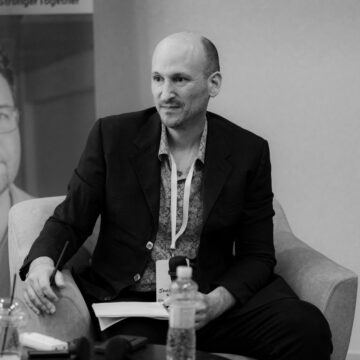
Jonathan Walton — a musician, programmer, music therapist, and clinical trial manager for the X-System epilepsy research project.
WHAT PEOPLE SAY
Kateryna Chernova
I truly needed this opportunity to reset. Before the retreat, I felt I was reaching the point of burnout, which is why this journey became so important for me.
I love collaborating with artists from different disciplines. By nature, I’m an eclectic person — I enjoy exploring, combining ideas, experimenting, and discovering unexpected connections between different creative practices. This camp gave me a rare chance to be not an organiser or facilitator, but simply a participant: attentive, open, and fully present. Perhaps for the first time, I was able to experience this so closely alongside other artists, observing their creative processes, rhythms, and ways of seeing the world.
I returned home with countless new practices, ideas, and a renewed sense of inspiration. I allowed myself to move through different rhythms, look at creativity from new perspectives, rethink my own methods, and bring more openness, lightness, and vitality into them. While still on the island, I came up with a new project idea and immediately started writing it down.
On a personal level, this journey became an important source of support. After an illness, I had gone through a long period of pause and exhaustion. But this retreat gave me more than renewed energy. It restored my confidence in myself. It reminded me that I can overcome difficulties, recover, and move forward with courage toward new creative ambitions.
I sincerely believe that art is one of the shortest paths to the human heart. Every one of us who creates builds bridges to other people, helping them experience beauty, warmth, and life. The beauty that surrounded us throughout this camp also became a bridge to my own heart, reminding me why I create.
My heartfelt thanks to the Art Therapy Force team for creating such an extraordinary space of trust, inspiration, support, and beauty. This experience will stay with me for a long time and has already become part of my creative journey.
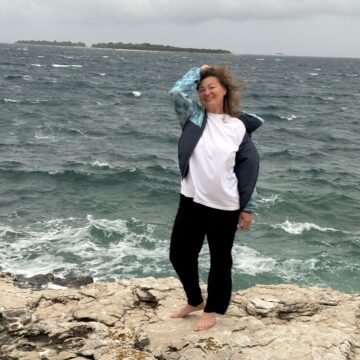
Inna Hartova
This camp showed me how a thoughtfully designed programme can genuinely support people in recovering from prolonged stress. It created a safe space where everyone could move at their own pace, discover new inner resources, receive support, and reconnect with themselves and with others.
What made the experience especially valuable was that the camp took place in a safe location outside Ukraine. The absence of constant air raid sirens and the threat of missile attacks allowed our nervous systems to truly relax. That created the conditions for deeper recovery and for integrating everything we experienced throughout the camp.
As a psychologist, I had the opportunity not only to support participants but also to observe positive changes in their emotional and psychological wellbeing over the course of the programme. It reaffirmed my belief in the value of initiatives like this for people who have been living with the realities of war for such a long time.
I am deeply grateful to the organisers, facilitators, and donors who made this camp possible. And my heartfelt thanks go to every participant — it was their openness, trust, and willingness to be authentic that created the warm and safe atmosphere which made this experience so meaningful.
Initiatives like this have a profound and lasting impact on people’s mental health and help strengthen the resilience of both individuals and communities.
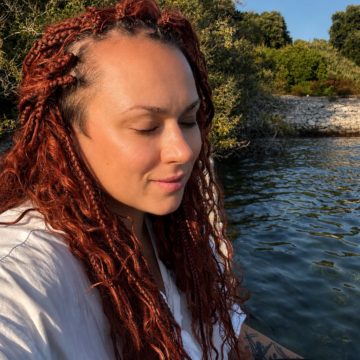
Krystyna Shyshkariova
It was so incredible that there simply aren’t enough characters in a standard feedback form to describe it.
I can honestly say that this experience will become one of the most treasured memories of my life. Thank you!
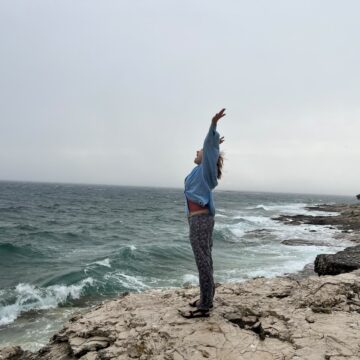
Olha Puzhakovska
This was one of the best experiences of my life. I am deeply grateful for the safe, almost paradise-like place where I had the chance to slow down, reflect, and truly restore myself.
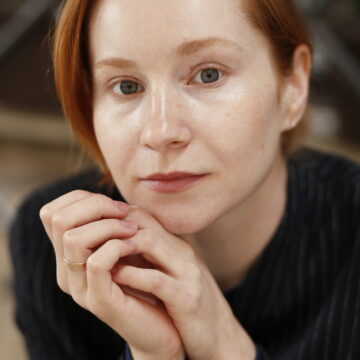
Oksana Bohutska
I am sincerely grateful for the opportunity to take part in this camp. I can only imagine how much effort it took to organise an experience like this, and I have immense admiration for the people who made it possible.
It wasn’t until I returned home that I fully realised just how much I had needed this journey.
Thank you, dear people, from the bottom of my heart. Every day, my thoughts return to the island and to all of you.
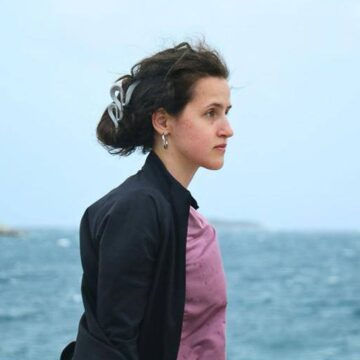
Olena Pryhunkova
Mali Brijuni became the setting for a truly unique encounter between women artists from across Ukraine — something that could hardly have happened under any other circumstances.
The island itself seemed to take care of us, as did our international colleagues. It felt as though the Ulysses Theatre was a safe, caring adult, while the Art Therapy Force team was the friend whose invitation answered the question: “What is the one thing of value you would take with you to a deserted island?”
Above all, what I received during this camp was care. It was something I had been unable to find back home in Kharkiv, but here, despite all the pain I carried with me, it finally reached me.
I felt myself changing. I regained my strength. And I had to get used to the idea that being with colleagues didn’t always have to mean discussing the next work plan — it could also mean simply allowing yourself to rest.
What is it like to be part of a community of such remarkable women? It’s impossible to describe in just a few words, but now I find myself envying my own experience.
What I appreciated most was that we weren’t together simply to have fun. We were together so that each of us could be exactly as we needed to be — moving through different emotions over those ten days, discovering one another’s unique inner worlds.
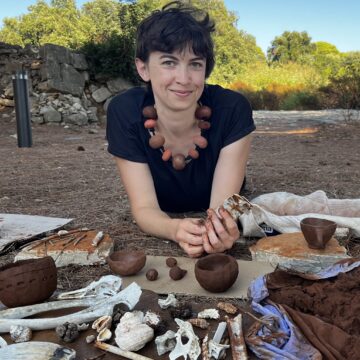
Yuliia Makliuk
Applying for this camp was the best gift I gave myself this year.
It offered a rare and invaluable opportunity to recover, recharge with creative energy, and find the inspiration to continue working with people through art.
The setting alone has a healing quality. Combined with wonderful colleagues and engaging workshops, it created a unique balance between rest and learning.
This is an invaluable experience for anyone working on socially engaged art projects in Ukraine.
Thank you for making it possible.
Veronika Ivonina
To the organizers, artists, and participants of this camp — thank you! Thank you for the incredible supportive atmosphere, for the opportunity to rest while also gaining new experiences through the wonderful workshops led by the participants. Thank you for the sense of inspiration that can sometimes get lost because of the constant stress of living in a city close to the frontline. I feel that I have more energy, resources, and motivation for both my work and my life.
MIGHT BE INTERESTING


